
 Taking care of your health involves more than focusing on one part of the body. Heart health, skin health, nutrition, physical activity, and stress management can all be part of a wider approach to personal wellness. While these areas have different purposes, they often share one important idea: consistent care can support how you feel and function each day.
Heart health deserves particular attention because the heart helps deliver oxygen and nutrients throughout the body. At the same time, many people also choose professional skincare treatments to improve the appearance and texture of their skin. One example is a professional chemical peel treatment.
A chemical peel does not improve heart function or treat cardiovascular problems. It is a cosmetic skin treatment. However, people who are building healthier routines often consider both medical wellness and personal care as parts of their overall lifestyle.
Understanding how these areas fit together can help people make thoughtful choices without confusing cosmetic care with medical treatment.
Why Heart Health Should Remain a Priority
The heart works continuously to move blood throughout the body. Blood carries oxygen and nutrients to the organs, muscles, brain, and skin. Supporting cardiovascular health is therefore an important part of long-term wellness.
Everyday habits can have a major role in supporting heart health. Regular physical activity is one example. Walking, cycling, swimming, and other forms of exercise can help people stay active while supporting cardiovascular fitness.
Food choices also matter. A balanced diet may include vegetables, fruits, whole grains, lean protein, and other nutrient-rich foods. Limiting excessive amounts of highly processed foods, added sugar, and salt can also support a healthier eating pattern.
Sleep is another important part of wellness. Regular sleep gives the body time to recover. Poor sleep habits can also affect energy levels, mood, and the ability to maintain healthy daily routines.
Stress management should not be overlooked. Long periods of stress can make it harder to maintain good habits. Some people may exercise less, sleep poorly, or make less balanced food choices during stressful periods.
Simple activities such as walking, spending time outdoors, stretching, reading, or practicing relaxation techniques may help people manage everyday stress.
Routine health checks are also important. Blood pressure, cholesterol, blood sugar, and other health measurements can provide useful information about cardiovascular risk. A healthcare professional can explain what these numbers mean and recommend suitable steps when needed.
These habits are very different from cosmetic treatments. A chemical peel should never be viewed as a substitute for exercise, balanced nutrition, medical care, or other heart-health practices.
Instead, skincare can be considered another area of personal care.
What a Professional Chemical Peel Treatment Does
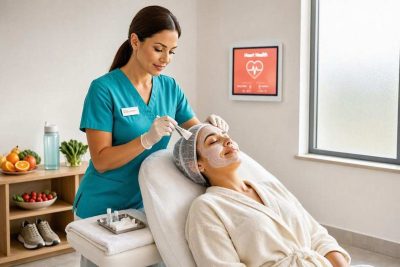
A professional chemical peel treatment is designed to exfoliate the skin using a carefully selected chemical solution. The treatment removes or loosens damaged surface skin cells so that fresher-looking skin can appear as the skin renews itself.
Chemical peels can vary in strength. Some are mild and mainly work on the outer layers of the skin. Others penetrate more deeply and may require longer recovery periods.
Professional peels may be used to address concerns such as uneven skin texture, dullness, mild discoloration, clogged pores, fine lines, or marks left by acne. The right treatment depends on the person’s skin type, goals, and medical history.
This is one reason professional assessment is important.
A qualified skincare or medical professional can examine the skin before recommending a peel. They can also choose the type and strength of solution that may be suitable for the individual.
During treatment, the skin is cleaned before the chemical solution is applied. A person may feel warmth, tingling, or mild stinging depending on the type of peel being used.
After treatment, the skin may appear red, dry, tight, or flaky. Peeling can occur over the following days. Recovery varies depending on the strength of the treatment.
Sun protection becomes especially important because newly treated skin may be more sensitive to sunlight. Gentle skincare is also commonly recommended while the skin is recovering.
Professional guidance can reduce the risk of using products that are too harsh during this period.
People should also be open about their health history before having a chemical peel. This includes medications, previous skin reactions, allergies, current skincare products, and existing health conditions.
Someone who has a heart condition or takes prescription medication should not assume that every cosmetic procedure is automatically suitable. Their healthcare provider and treatment professional can help determine whether any precautions are necessary.
Combining Personal Care With a Healthy Lifestyle
Personal wellness can include both health-focused habits and appearance-focused care. The key is understanding what each one can and cannot do.
Heart-healthy habits support cardiovascular wellness. Professional chemical peel treatment focuses on the appearance and condition of the skin. The two should not be presented as treatments for the same problem.
They can, however, exist within the same balanced lifestyle.
For example, someone may begin exercising regularly, improve their diet, get more consistent sleep, and schedule routine medical checkups. The same person may also visit a skincare professional because they want to improve uneven texture or dull-looking skin.
These choices address different needs.
Self-care may also encourage people to pay more attention to their daily habits. Feeling more confident about personal appearance can sometimes motivate people to maintain routines that make them feel healthier overall.
Still, cosmetic treatments should be approached realistically. A chemical peel cannot replace nutritious food, physical activity, proper sleep, or professional medical care.
Likewise, healthy eating does not replace professional treatment when someone wants to address specific skin concerns.
Hydration and balanced nutrition can support normal body functions, including those involved in healthy skin. Foods containing vitamins, minerals, healthy fats, and protein provide nutrients the body uses for maintenance and repair.
However, no single food or wellness habit guarantees perfect skin or prevents heart disease.
Consistency is usually more useful than searching for a quick solution.
People considering a professional chemical peel should also allow enough time for recovery. Following aftercare instructions helps protect the treated skin. Picking or pulling peeling skin should generally be avoided, as this may increase irritation.
Sun protection should remain part of the routine even after the skin has recovered.
At the same time, maintaining physical activity, balanced meals, regular sleep, and medical checkups can support wider health goals.
People with diagnosed cardiovascular conditions should discuss major changes in exercise, diet, supplements, or medical treatment with an appropriate healthcare professional. They should also mention relevant medical conditions before undergoing elective cosmetic procedures.
A balanced approach recognizes that health and appearance are connected to overall well-being but require different forms of care.
Professional chemical peel treatment can be a useful option for selected skin concerns when performed appropriately. Heart health requires its own long-term attention through healthy habits and medical guidance.
By understanding the purpose of each, people can build a personal wellness routine that supports both confidence and long-term health without expecting one treatment to solve every concern.